Botox (Botulinum Toxin)
- Homepage
- Botox Applications
- Filler Applications
- Our Other Services
- About me
- Health Tourism
- Gallery
- Price List
- Communication
Botox (Botulinum toxin) is a toxin derived from the bacterium Clostridium botulinum. It works by inhibiting the release of substances that transmit signals at nerve endings, thus halting transmission between nerves and the organs they reach. This halt in nerve transmission leads to a decrease or complete loss of function in the organ reached by the nerve. It can be used for aesthetic and cosmetic purposes, to reduce or prevent wrinkles on the face caused by the movement of facial muscles, to reduce excessive sweating in areas prone to overheating, and in the treatment of chronic migraines.
How is Botox Injected?
Botox is administered by injection and is not a painful procedure; a slight discomfort may be felt at the time of injection. Injections are given into the facial muscles to reduce muscle movement, and into the skin to reduce excessive sweating.
Daily life can be resumed immediately after the procedure. However, prolonged bending and exercises involving facial muscles should be avoided. In addition, after a Botox injection, the head should be kept elevated for about four hours, leaning forward should be avoided, and lying down should be avoided. Approximately eight hours after a Botox injection, you can shower with lukewarm water, taking care not to damage the face (i.e., without scrubbing or applying pressure). Care should be taken to use cold water when washing the face.
Which Areas Can Botox Be Applied To?
Botox is a versatile procedure that can be safely applied to many different points on the body and face for both aesthetic corrections and functional treatments. The main areas where Botox is applied are:
Forehead: It is the most effective method for eliminating horizontal forehead lines that make a person look older.
Between the Eyebrows (Glabella): It is used to soften vertical lines caused by constant frowning, giving a person a harsh, angry expression.
Crow’s Feet (Around the Eyes): It provides a fresher look by smoothing out the radial lines that form around the eyes during smiling.
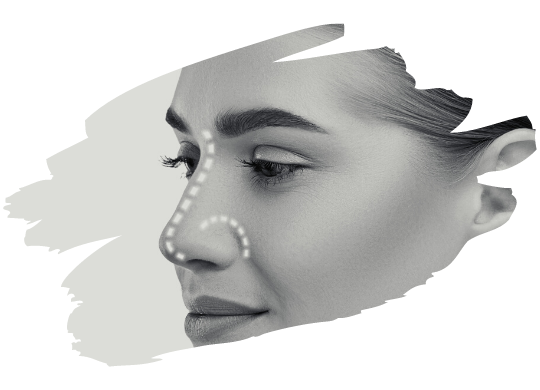
Nose Bridge (Bunny Lines): Applied to treat bunny lines that form on the nose due to smiling or pursing.
Upper Lip (Smoker’s Lines): Especially helps to reduce vertical lines that develop due to smoking or facial expressions.
Jawline and Neck: The aim is to relax the jaw muscles, make the jawline more defined, and eliminate neck bands.
Palms and Soles: Similar to underarm Botox, injections are given under the skin to stop excessive sweating in these areas.
What to Consider After Getting Botox?
Post-Botox precautions are critical to prevent the injected toxin from spreading to neighboring muscles and to maximize the success of the procedure. Throughout the day of the application:
Stay in an upright position for at least 4-6 hours and absolutely do not lean forward.
Do not massage or rub the application area vigorously. For the first 24 hours, avoid strenuous exercise and high-heat environments such as saunas and Turkish baths. Another thing to avoid after Botox is lying face down on the first day; sleeping on your back is healthier for the injection to settle.